The future of nuclear energy: challenges and promises
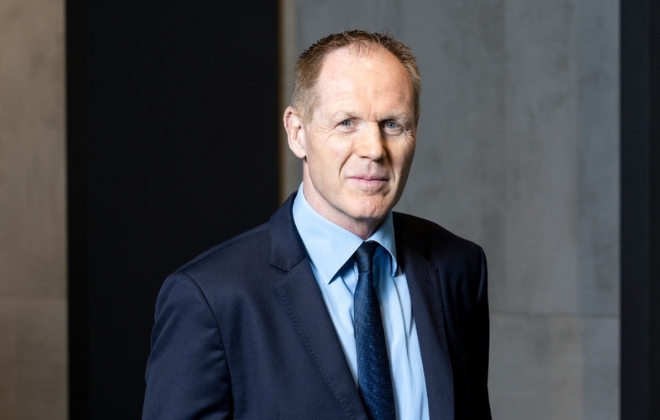
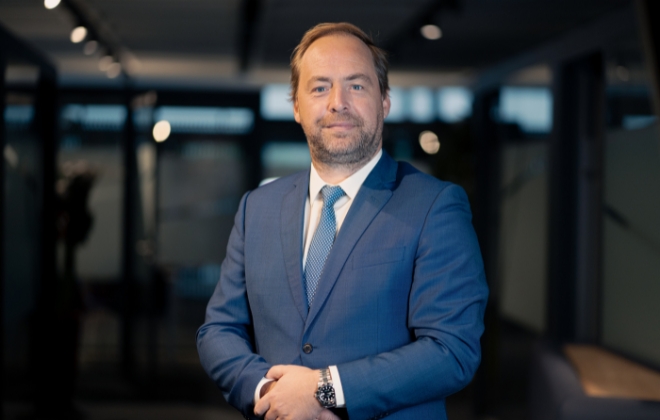
Nuclear power is making a major comeback on the global energy scene. Faced with the climate emergency and issues of energy sovereignty, we brought together three experts to analyze the challenges and opportunities of this rapidly revitalizing sector: Stéphane Ougier, Executive Director at ALTEN; Emmanuel Besse, CEO of Worldgrid; and Jean-Pierre Burel, President of the Alpine Regional Group of the French Nuclear Energy Society (Sfen). They share their insights and analysis with us.


Why is nuclear energy indispensable today?
The global revival of nuclear power is no coincidence. Stéphane Ougier identifies four pillars that justify this resurgence: “Four factors make nuclear energy essential for the future. First: it’s a decarbonized energy source that helps address climate stability challenges. Second: sovereignty — the war in Ukraine reminds us that we must remain sovereign in our energy production. Third: economics — we need low-carbon but competitive energy. And fourth: stability — nuclear energy provides a stable complement to renewable sources, which are by nature intermittent.”
This strategic vision places nuclear power back at the heart of the French and European energy mix, with a strong revival driven by new projects and an ambition for technological leadership by 2035.
Three time-horizons for the nuclear industry
Jean-Pierre Burel reminds us that the sector operates on an exceptionally long-term vision: “We have three time horizons to respect because nuclear energy must be developed with a very long-term perspective. And when I say long-term, I mean over a century.”
Short term: Maintaining and renewing the existing fleet
The EPR2 program aims to replace current reactors to ensure the continuity of electricity production. However, the sector accumulates depleted uranium and plutonium, which calls for innovative solutions.
Medium term: SMRs and new reactors
“For the long term, we need reactors capable of serving other applications […] smaller power reactors. Hence the SMR concepts, which will make it possible to have several very specific types of reactors to burn depleted fuel.” These Small Modular Reactors (SMRs) also offer the ability to produce industrial heat, located closer to consumption sites.
Long term: Nuclear fusion
Driven by the ITER project, fusion represents the distant future of nuclear energy, promising an almost limitless energy source.
Major challenges for the industry
Maintaining skills amid technological obsolescence
Emmanuel Besse highlights a crucial challenge for the existing fleet: “For the current fleet and extending its life beyond 60 years — even up to 80 in North America — the main challenge is maintaining operational systems that have proven reliable over time but are based on technologies that have become obsolete and rare in terms of expertise.” Transmitting know-how is vital, and as Jean-Pierre Burel points out: “It’s harder to recreate expertise than to pass it on.”
Controlling costs and construction timelines
The Flamanville EPR perfectly illustrates this challenge: nearly two decades of construction, compared to less than 10 years for reactors built in the 1990s. Emmanuel Besse insists: “This is the primary challenge for the EPR: achieving an economically acceptable construction time.” The solution? Agile organization, design based on digital models (MBSE), and maximum automation of software development processes for control systems.
A changing regulatory environment
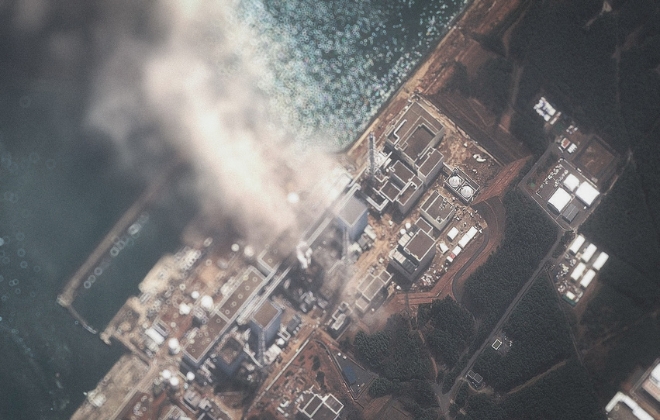
Jean-Pierre Burel explains this growing complexity: “The increasing complexity of standards stems from major past accidents that required us to incorporate lessons learned. This means taking additional precautions to ensure such events cannot happen again.”
France’s significant nuclear advantages
Sovereignty and local employment
Emmanuel Besse highlights a direct benefit: “Sensitive installations require engineering and expertise that are national and local. The jobs created by this sector directly benefit the national territory and the engineers trained in French schools today.”
Stability and visibility for companies
Stéphane Ougier points out a unique advantage: “A service company typically needs to renew 30–40% of its projects every year […] The great advantage of the nuclear sector is its long-term horizon. It has constraints, but also a huge benefit: we can amortize our investments over much more stable workloads. In the service industry, that’s something precious and quite rare.”
Long-term energy independence
Jean-Pierre Burel underlines a crucial strategic aspect: “From a strategic standpoint, what matters most is sovereignty in fuel supply. We need new types of reactors to burn uranium and plutonium, which gives us enormous energy reserves. Moreover, beyond uranium, there’s thorium, which is also a viable fuel.”
Overcoming the irrational fear of nuclear power
Public acceptance remains a major challenge. Stéphane Ougier puts this into context: “It’s a completely carbon-free energy, but paradoxically, because of waste issues, it has never truly been recognized as such. That’s changing. People are starting to understand that nuclear energy is part of the solution.” Jean-Pierre Burel adds a factual perspective: “When we look at the consequences of a major accident — the worst being Chernobyl — the death toll is about 5,000. Compare that to the number of deaths caused by tobacco in France: over 1 million under similar conditions. The nuclear risk is real, but far lower than those from chemicals or tobacco.”
Training the talents of tomorrow
Faced with the anticipated “tsunami of demand,” Stéphane Ougier explains the initiatives implemented within ALTEN: “We’ve created a nuclear academy, with training programs validated by our clients. Since there aren’t many schools that train in nuclear energy, we have to act both as a service company and as a training organization. We’re ready to scale up certified or qualifying training initiatives to prevent skill obsolescence, which is the biggest risk.”
Final thoughts: promises and responsibilities
Jean-Pierre Burel:
“Nuclear energy is a fascinating and incredibly powerful technology that deserves to be mastered. It holds tremendous long-term potential in terms of resources and opportunities.”
Emmanuel Besse:
“This industry has numerous strengths and represents an area of excellence for France. For us, as industrial players, it’s an opportunity, a source of pride, but also a responsibility to help it shine.”
Stéphane Ougier:
“I hope this industry will now become a greater source of optimism. It’s truly a point of French pride. We’ve developed technology and expertise that we should be exporting today. I hope the sector can now reach its full potential with greater serenity.”