


 Aeronautics
LIFE SCIENCES
How our experts eliminated a 600-system Data Integrity backlog in a Vaccines R&D environment
Data integrity is essential in research environments, and without reliable, traceable, and compliant data, organisations face operational challenges that can impact both efficiency and decision-making.

When a major vaccine R&D site needed to regain control of its data integrity activities, ALTEN was asked to take on a particularly demanding mission: clear a backlog that had accumulated over the previous year, maintain ongoing operations, and establish a sustainable framework for the future.
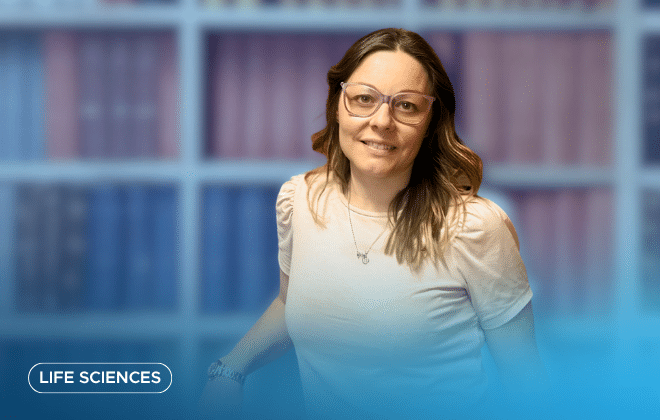
Leading this initiative was Gloria Ricci, Team Leader at ALTEN in Italy, whose experience in project management, validation, and production environments helped drive the project toward a successful outcome.
From technical expertise to team leadership
Since joining ALTEN in 2021 as a Senior Consultant, Gloria has evolved into Project Manager and Team Leader roles, developing expertise not only in project delivery but also in people management. Today, she manages a team of 15 consultants supporting the same client across both R&D and Production sites.
Over the years, Gloria has contributed to a variety of projects, including the implementation of new monitoring systems in classified environments, equipment replacement programmes, and inspection machine upgrades designed to meet regulatory requirements. But one project stands out in her career at ALTEN.
A major Data Integrity mission in vaccines R&D
In 2023, ALTEN was asked to perform a large-scale data integrity remediation programme related to research systems at a vaccines R&D site. The assignment came with an additional challenge: another supplier had already been working on the project for a year without managing to deliver the expected results.
“The expectation was to introduce a new approach and demonstrate a high level of professionalism, ensuring that the entire backlog could be addressed without impacting routine operations.”
The objective was to assess and remediate data integrity gaps across multiple research systems while ensuring full compliance with regulatory standards, including ALCOA+ principles. At the same time, ongoing activities such as incident management, periodic reviews and stakeholder coordination needed to continue without disruption.
Beyond the technical scope, the project also required close collaboration with several cross-functional teams, including IT, Quality Assurance, and laboratory personnel. Another key objective was to establish improved procedures and governance models that could provide a sustainable framework for the future.
To achieve this, ALTEN assembled a dedicated team composed of one Project Manager, two Team Leaders, and three Validation Technicians. This structure enabled the team to manage a large number of systems in a standardised way, applying the same methodology across different environments and ensuring consistency throughout the programme.
Creating a structured approach
As Project Manager, Gloria was responsible for overseeing the team’s deliverables, ensuring adherence to project timelines and performing quality checks on all activities in compliance with internal procedures and ALCOA+ principles.
The project was organised through a phased approach. First came an assessment phase to understand the backlog and identify priorities, followed by remediation activities and, finally, a stabilisation phase designed to ensure long-term sustainability and client autonomy.
For Gloria, structure and communication were key success factors.
“I built a structured project plan using Gantt charts, which allowed us to clearly define timelines, priorities, and dependencies across all remediation activities.”
During the most critical stages, daily meetings were established with key stakeholders to maintain alignment, resolve blockers quickly, and keep momentum high. As the project matured, governance adapted, and meeting frequency was reduced, creating a more efficient and sustainable way of working.
The project also required close collaboration between numerous stakeholders, including Business Owners, Technical Owners, Quality Assurance teams, Equipment Responsibles, and the Global Validation Team.
By combining structured planning, strong governance, and close stakeholder collaboration, the team was able to progressively stabilise the project, regain control of the backlog and establish the foundations for a sustainable data integrity management framework
The power of trust in project delivery
While technical expertise was essential, Gloria believes that successful consulting relies just as heavily on building trust. Joining a project that is already underway requires consultants to rapidly understand the client’s environment, expectations, and ways of working.
“A consultant’s added value cannot be based solely on technical skills. It must also lie in the ability to convey confidence to the client, ensuring they feel reassured and at ease.”
Her approach centres on listening carefully, understanding client concerns, adapting to their preferred working style, and progressively creating conditions for more autonomous and efficient collaboration.
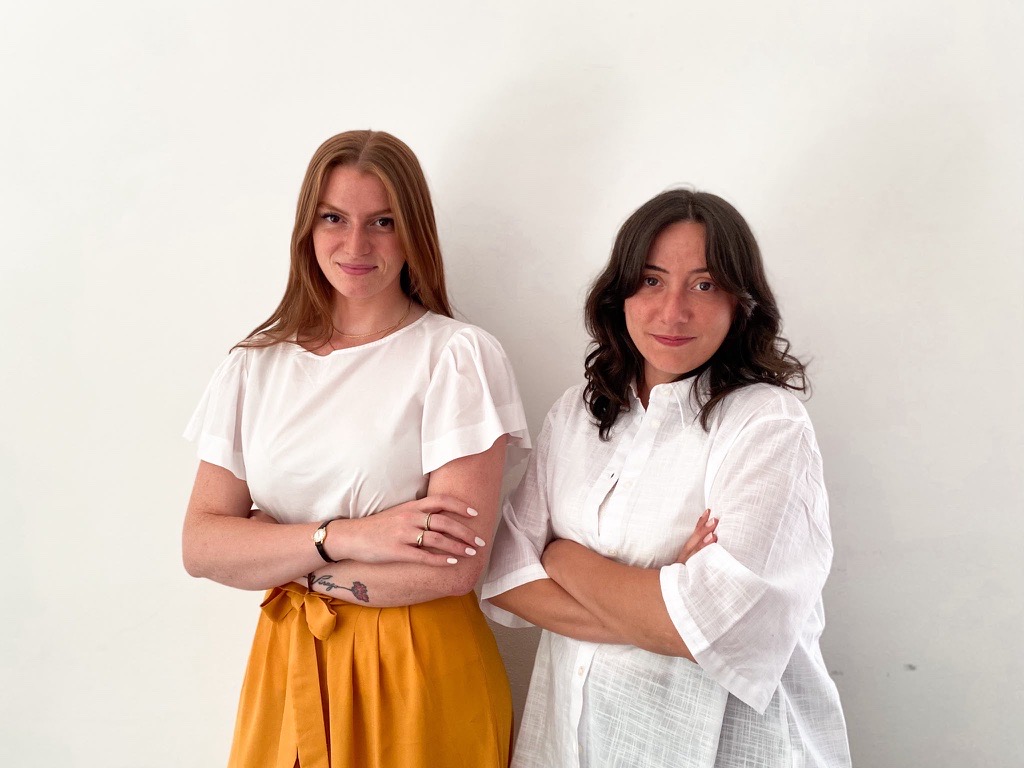
Nefertari Verbicaro and Ylenia Innangi,
SMEs in Gloria’s team
Bringing data integrity back under control
The team’s efforts produced significant and measurable outcomes. Within twelve months, ALTEN successfully reduced the backlog from more than 600 systems to zero, while maintaining routine operations throughout the project. Other key achievements included:
- 100% traceability and inspection-ready documentation
- Full compliance with ALCOA+ principles across all activities
- Improved data quality and traceability
- Stronger stakeholder engagement and cross-functional collaboration
- A scalable operating model capable of supporting future activities
Beyond the operational improvements, the project helped restore confidence among stakeholders and provided the client with a more structured way of managing data integrity.
“Before our collaboration, the client lacked control over Data Integrity. Thanks to the project, we established a solid and structured way of working that enables the client to retrieve information related to system status.”
The project was delivered within the planned timeline, successfully reducing the backlog, improving compliance, and establishing a more efficient and robust data integrity management framework. This success not only secured an extension of the collaboration but also laid the foundation for an ongoing partnership that endures to this day.
The lesson behind the success
For Gloria, this combination of expertise, composure, and trust ultimately became one of the project’s most important success factors and helped transform a challenging situation into a long-term partnership. Looking back, the project’s greatest lesson was not only about processes or methodologies, but also about relationships.
“Building a strong trust-based relationship takes time and consistency. This trust is built not only by demonstrating strong technical skills, but also by showing the ability to handle high-pressure situations without passing stress or frustration on to the client.”
Interested in our expertise within Life Sciences?